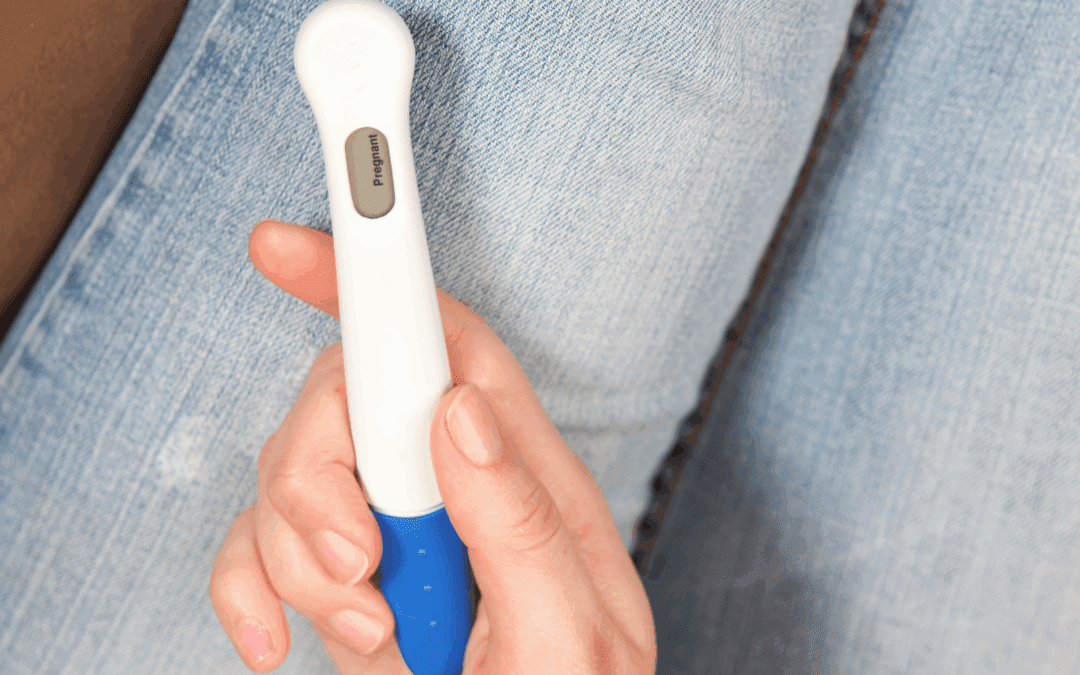
Early pregnancy is a time of rapid changes, and spotting after a positive pregnancy test can be alarming. While it’s natural to worry, spotting isn’t always a cause for concern. In this article, we explore five possible reasons for spotting during early pregnancy and what you should do next.
1. Implantation Bleeding
Implantation bleeding is a common cause of spotting after a positive pregnancy test. It occurs when the fertilized egg attaches to the uterine lining, typically 10 to 14 days after conception.[1] This light bleeding or spotting is usually pink or brown and lasts a few hours to three days.[2] In a healthy pregnancy, implantation bleeding resolves on its own without medical intervention.[3] If you’re unsure whether your spotting is implantation bleeding, speak to your doctor as soon as possible.2. Vaginitis
Vaginitis, an infection or inflammation of the vagina, can cause spotting, discharge, or irritation.[4] Hormonal changes during pregnancy may increase your risk of vaginitis, which can lead to spotting after a positive pregnancy test.[5] Untreated vaginitis during pregnancy may increase the risk of preterm labor[6], so prompt treatment is essential. Speak to your healthcare provider about pregnancy-safe medications and treatment options.3. Cervical Polyps
Cervical polyps are small, benign growths on the cervix that can cause spotting after a positive pregnancy test.[7] While rare during pregnancy, they may lead to light bleeding, especially after intercourse or a pelvic exam. Your doctor may monitor or remove polyps depending on their size, location, and your specific condition.[8] Most cervical polyps are harmless, but they may need to be tested to rule out abnormalities.4. Molar Pregnancy
A molar pregnancy is a rare condition where a noncancerous tumor forms instead of a healthy placenta, leading to pregnancy loss.[9] Spotting or bleeding in the first trimester is a common symptom.[10] There are two types of molar pregnancies[11]:- Partial Molar Pregnancy: Two sperm fertilize one egg, forming an abnormal placenta and embryo that cannot survive.
- Complete Molar Pregnancy: An empty egg is fertilized, forming abnormal placental tissue with no embryo.
5. Early Miscarriage or Ectopic Pregnancy
Spotting after a positive pregnancy test can sometimes indicate an early miscarriage[14] or ectopic pregnancy.[15] Miscarriage symptoms may include cramping, lower back pain, or passing tissue.[16] An ectopic pregnancy occurs when a fertilized egg implants outside the uterus, often in a fallopian tube, and may cause pelvic pain, shoulder pain, or light bleeding.[17] Ectopic pregnancies require immediate treatment, as they cannot continue and may become life-threatening if the fallopian tube ruptures.[18] Treatment options include medication (methotrexate) or surgery.[19] If you experience severe pain or heavy bleeding, seek emergency care immediately.When to Seek Help
While spotting after a positive pregnancy test is often normal, certain symptoms may require immediate medical attention:- Heavy bleeding or clotting
- Severe pelvic or shoulder pain
- Fever or dizziness
Free Pregnancy Services in Bakersfield, California
Experiencing spotting after a positive pregnancy test? You don’t have to navigate pregnancy alone. Bakersfield Pregnancy Center offers free pregnancy tests, ultrasounds, and confidential support to answer your questions. Contact us at (661) 326-1907 or schedule an appointment online. All services are free and confidential.Disclaimer: This article is for educational purposes only and not a substitute for medical advice. Consult your doctor if you experience spotting or other symptoms during pregnancy.
Sources
- Marnach, M. (2022, April 19). Is implantation bleeding common in early pregnancy?. Mayo Clinic. https://www.mayoclinic.org/healthy-lifestyle/pregnancy-week-by-week/expert-answers/implantation-bleeding/faq-20058257#
- Cleveland Clinic. (2022, December 16). Implantation Bleeding: Causes, Symptoms & What to Expect. https://my.clevelandclinic.org/health/symptoms/24536-implantation-bleeding
- See source #2.
- Cleveland Clinic. (2021, November 30). Vaginitis: Causes, Symptoms, Treatment & Prevention. https://my.clevelandclinic.org/health/diseases/9131-vaginitis
- Mayo Clinic. (2021, December 22). Vaginitis. https://www.mayoclinic.org/diseases-conditions/vaginitis/symptoms-causes/syc-20354707
- U.S. Department of Health and Human Services. (2022, February 11). Does vaginitis affect a pregnant woman & her infant?. https://www.nichd.nih.gov/health/topics/vaginitis/conditioninfo/pregnancy#
- Cleveland Clinic. (2022, November 11). Cervical Polyp: Causes, Symptoms, Diagnosis & Treatment. https://my.clevelandclinic.org/health/diseases/24436-cervical-polyp
- See source #7.
- Cleveland Clinic. (2022, November 26). Molar Pregnancy: Types, Symptoms, Causes & Treatments. https://my.clevelandclinic.org/health/diseases/17889-molar-pregnancy
- See source #9.
- See source #9.
- See source #9.
- See source #9.
- Mayo Clinic. (2023, September 8). Miscarriage. https://www.mayoclinic.org/diseases-conditions/pregnancy-loss-miscarriage/symptoms-causes/syc-20354298
- Mayo Clinic. (2022, March 12). Ectopic Pregnancy – Symptoms & Causes. https://www.mayoclinic.org/diseases-conditions/ectopic-pregnancy/symptoms-causes/syc-20372088
- See source #14.
- See source #15.
- Mayo Clinic. (2022, March 12). Ectopic Pregnancy – Diagnosis & Treatment. https://www.mayoclinic.org/diseases-conditions/ectopic-pregnancy/diagnosis-treatment/drc-20372093
- See source #18.